


























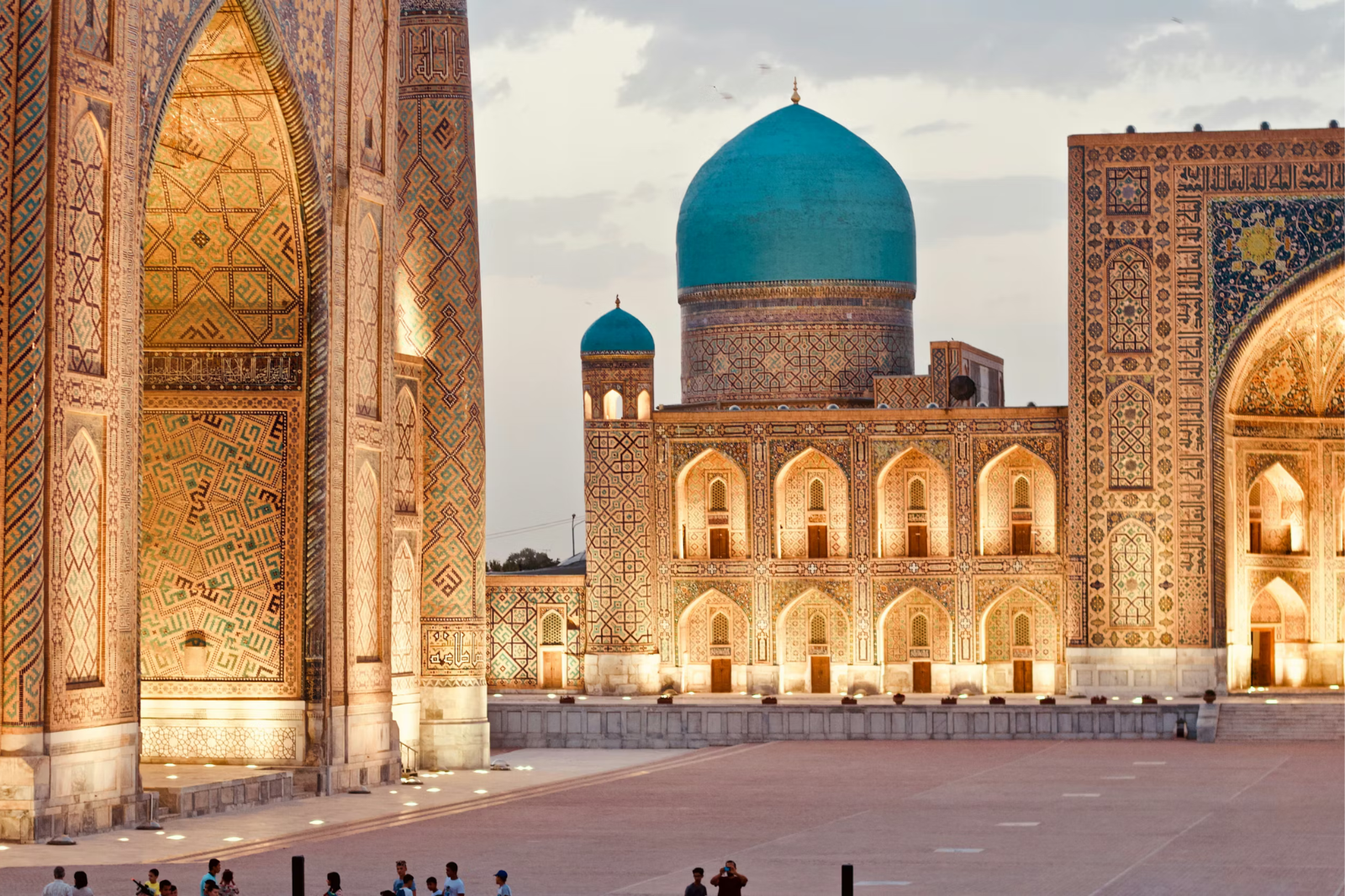


Ancient wisdom and timeless stories within the quran shape perspectives and inspire devotion globally
The study of ancient texts offers a profound window into the beliefs, values, and historical contexts of past civilizations. Among these, the quran stands as a particularly influential and revered scripture, shaping the lives of billions across the globe. Its impact extends far beyond religious observance, influencing art, literature, law, and political thought for centuries. Understanding the origins, core tenets, and enduring legacy of this foundational text is crucial for anyone seeking a deeper understanding of global culture and history.
The quran is not merely a book of religious doctrines, but a comprehensive guide to life, encompassing moral, ethical, social, and legal dimensions. It presents a unique narrative, offering stories of prophets, lessons of compassion, and a framework for just and equitable societies. The beautiful and complex Arabic language in which it was originally revealed adds another layer of significance, as the translation process often struggles to fully capture the nuances and poetic depth of the original text. Its continuing relevance in the 21st century is a testament to the enduring power of its message and its ability to resonate with individuals from diverse backgrounds.
The Historical Context of Revelation
To appreciate the significance of the quran, it's vital to understand the historical environment in which it was revealed. The Arabian Peninsula in the 7th century was a complex tapestry of tribal societies, with diverse religious beliefs including polytheism, Judaism, and Christianity. Mecca, a prominent trading center, served as a hub for cultural exchange and religious discourse. The social and political landscape was marked by inter-tribal conflict, economic disparity, and a yearning for spiritual guidance. Into this milieu emerged the Prophet Muhammad, who began receiving revelations that would eventually form the quran. These initial revelations challenged the prevailing social norms, particularly the prevalent practices of idolatry and injustice. The early followers of the Prophet faced significant opposition and persecution from those who sought to maintain the existing power structures and religious traditions.
The revelations unfolded over a period of approximately 23 years, responding to the specific challenges and circumstances faced by the nascent Muslim community. The quran addressed a wide range of issues, from theological principles and moral conduct to legal rulings and social reforms. The precise dating of specific verses remains a subject of scholarly debate, but the overall arc of the revelations reflects a progressive unfolding of divine guidance. Understanding the historical context allows for a more nuanced interpretation of the text, shedding light on the intended meaning and relevance of its teachings. The initial responses from Meccan society were varied, with some embracing the message, others remaining skeptical, and many actively opposing it, leading to the Hijra, the migration of Muslims to Medina.
| Key Historical Figures | Their Role in the Early quranic Period |
|---|---|
| Prophet Muhammad | The recipient and messenger of the divine revelations. |
| Khadija bint Khuwaylid | One of the first believers and staunch supporter of the Prophet. |
| Abu Bakr | A close companion and the first Caliph after the Prophet’s death. |
| Umar ibn al-Khattab | A prominent leader who played a crucial role in the expansion of the early Muslim community. |
This table provides a glimpse into the key individuals who shaped the early stages of the quran’s reception and dissemination. Their unwavering faith and dedication contributed significantly to the preservation and propagation of its message.
Core Themes and Teachings
The quran presents a holistic worldview, emphasizing the oneness of God (Allah) and the importance of submitting to His will. This central theme of tawhid (oneness) permeates every aspect of the scripture, shaping its ethical framework and spiritual aspirations. The quran also strongly advocates for social justice, compassion, and the equitable treatment of all people. It condemns oppression, exploitation, and the abuse of power, urging believers to actively work towards a more just and compassionate society. The concept of accountability is also paramount, with the quran emphasizing that every individual will be held responsible for their actions on the Day of Judgment. This belief in divine justice serves as a powerful moral compass, guiding believers to strive for righteousness and ethical conduct.
Beyond theological principles, the quran offers practical guidance on various aspects of life, including family law, economic transactions, and political governance. It provides detailed regulations regarding inheritance, contracts, and charitable giving. These provisions were groundbreaking for their time, offering a more equitable and compassionate system than the prevailing practices of the era. The quran also emphasizes the importance of education, knowledge, and critical thinking, encouraging believers to seek understanding and wisdom. The ethical framework presented within the quran is not limited to ritualistic observances, but rather extends to all facets of human interaction, promoting a culture of empathy, tolerance, and respect.
- The importance of prayer as a means of connecting with the divine.
- The significance of charity and helping those in need.
- The value of seeking knowledge and wisdom.
- The responsibility to uphold justice and fairness.
These core tenets, when taken together, offer a powerful blueprint for a meaningful and fulfilling life. The quran’s call for social responsibility continues to inspire individuals and communities to strive for a more just and equitable world.
The quran and Ethical Conduct
The quran’s emphasis on ethical conduct is perhaps one of its most enduring legacies. It consistently stresses the importance of honesty, integrity, and compassion in all interactions. The text condemns deceit, hypocrisy, and the exploitation of others, urging believers to uphold the highest moral standards. This ethical framework extends to all aspects of life, including personal relationships, business dealings, and political affairs. The quran also highlights the importance of forgiveness and reconciliation, encouraging believers to overcome anger and resentment. The stories of the prophets, as recounted in the quran, serve as powerful illustrations of ethical behavior, showcasing their unwavering commitment to justice, compassion, and divine guidance.
The quran’s ethical teachings are not merely abstract ideals, but rather practical guidelines for navigating the complexities of human life. It provides specific instructions on how to treat family members, neighbors, and even adversaries with respect and dignity. The concept of adab – refined manners and ethical etiquette – is deeply ingrained in Islamic tradition, reflecting the quran’s emphasis on cultivating a virtuous character. The ethical framework presented within the quran is also remarkably comprehensive, addressing a wide range of moral dilemmas and providing guidance for resolving conflicts peacefully and justly. The quran's ethical principles remain profoundly relevant today, providing a timeless framework for promoting peace, understanding, and social harmony.
- Cultivate honesty in all your dealings.
- Practice compassion and empathy towards others.
- Uphold justice and fairness in all your interactions.
- Strive for forgiveness and reconciliation.
Following these steps will contribute to a more ethical and harmonious life, aligning with the core teachings of the quran.
The quran’s Influence on Art and Literature
The quran has profoundly influenced artistic expression throughout history, inspiring generations of poets, calligraphers, and architects. The Arabic language itself, with its inherent poetic qualities, lends itself to artistic interpretation. Islamic calligraphy, in particular, has evolved into a highly refined art form, with intricate designs and elegant scripts adorning mosques, manuscripts, and other cultural artifacts. The stories and imagery contained within the quran have also served as inspiration for countless works of literature, painting, and music. From the epic poems of Rumi to the intricate miniature paintings of the Persian tradition, the quran’s influence is readily apparent in diverse artistic styles and cultural expressions.
The quranic narratives often resonate with universal themes of love, loss, faith, and redemption, making them accessible to audiences beyond the Islamic world. The metaphorical language and symbolic imagery employed within the quran provide fertile ground for artistic interpretation and creative expression. The architecture of mosques, with its intricate geometric patterns and soaring minarets, reflects the quran’s emphasis on the transcendent and the divine. The use of arabesques, floral motifs, and calligraphy in mosque decoration further enhances the spiritual atmosphere and reinforces the quranic message. Moreover, the quran's influence can be seen in the development of distinct literary genres, such as the maqamat (narrative anecdotes) and the masnavi (spiritual poems).
The Ongoing Relevance of the quran
In a world grappling with complex social, political, and ethical challenges, the quran continues to offer valuable insights and guidance. Its message of peace, justice, and compassion remains as relevant today as it was centuries ago. The quran’s emphasis on social responsibility and environmental stewardship resonates with contemporary concerns about sustainability and global well-being. The text's call for interfaith dialogue and peaceful coexistence is particularly important in an increasingly interconnected world marked by religious diversity. The quran’s principles of ethical finance and responsible economic practices offer a viable alternative to the excesses of unchecked capitalism.
However, it's crucial to recognize that interpretations of the quran vary widely, and some interpretations have been used to justify extremism and violence. It is essential to approach the text with a critical and nuanced perspective, recognizing the historical context and the diversity of scholarly interpretations. Engaging with the quran in a thoughtful and informed manner can foster greater understanding, tolerance, and respect between different cultures and communities. The quran’s timeless wisdom continues to inspire individuals and societies to strive for a more just, compassionate, and sustainable future, fostering a global community founded on shared values and mutual respect. Its call to intellectual exploration and the pursuit of knowledge remains a beacon for those seeking meaning and purpose in an ever-changing world.